
Gallery
Volunteering again at the Valspar tournament a couple of weeks back, was an incredible experience. This year, the weather couldn’t have been more perfect—clear skies, a gentle breeze, and just the right amount of sunshine made being outdoors all day truly enjoyable.
Spending time around the course, watching the game unfold up close added a special energy to the experience. Assisting in the luxury suites and working at the information booth gave us the chance to interact with a wide range of guests, from dedicated golf fans to first-time attendees. It was rewarding to help enhance their experience while also being part of such a well-organized and exciting event.
For many of us, it was also an opportunity to learn more about the game itself. Overall, it was a fulfilling and memorable experience—one that combined great weather, great people, and a shared sense of purpose.


At Plato Academy Clearwater, eighth-grade students took their classroom skills into the real world, pitching fully redesigned websites to a live panel of judges in a capstone event that raised the bar for what student projects can look like. Plato Academy Clearwater is a K-8 public charter school serving families in Pinellas County, Florida.
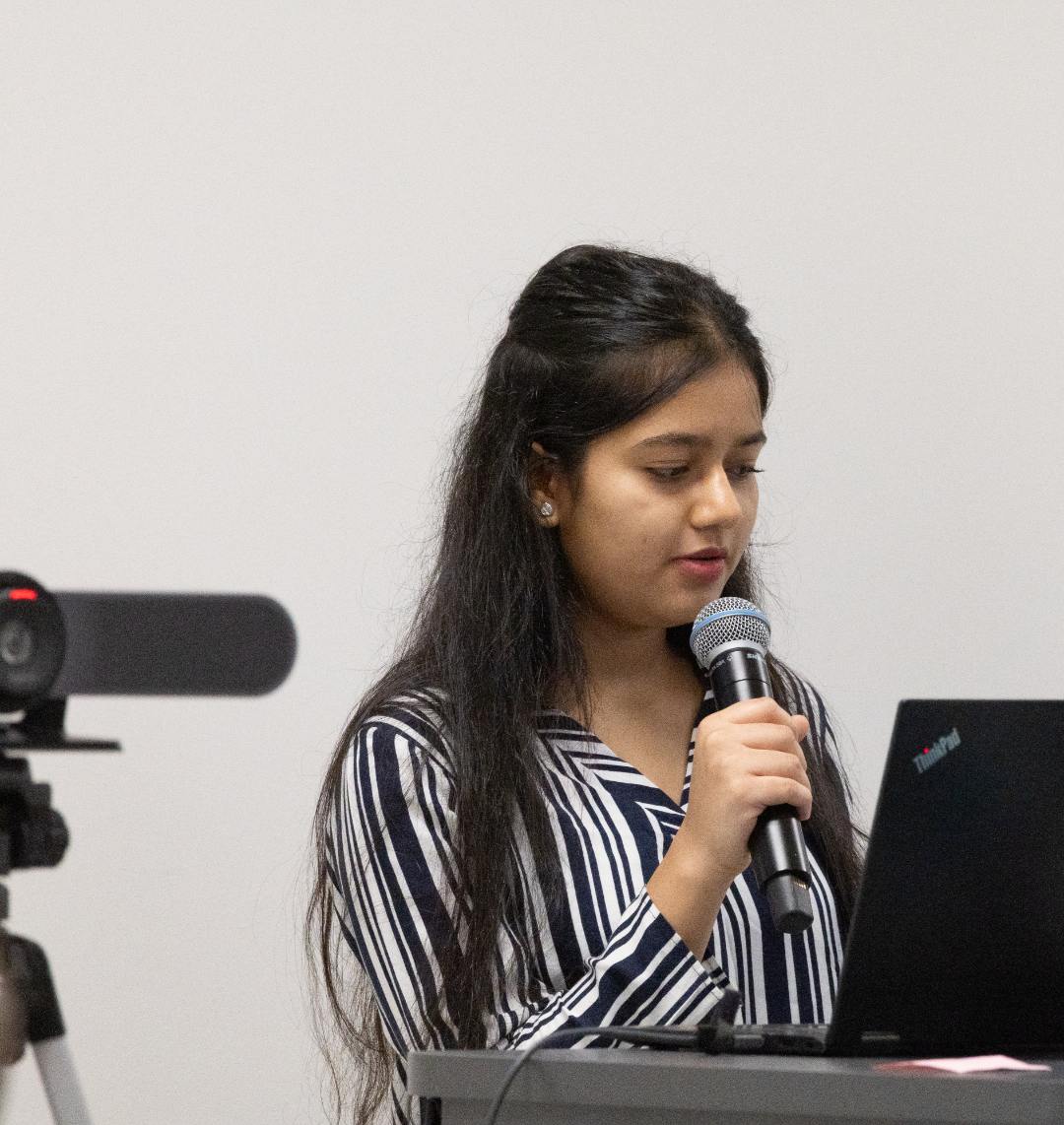
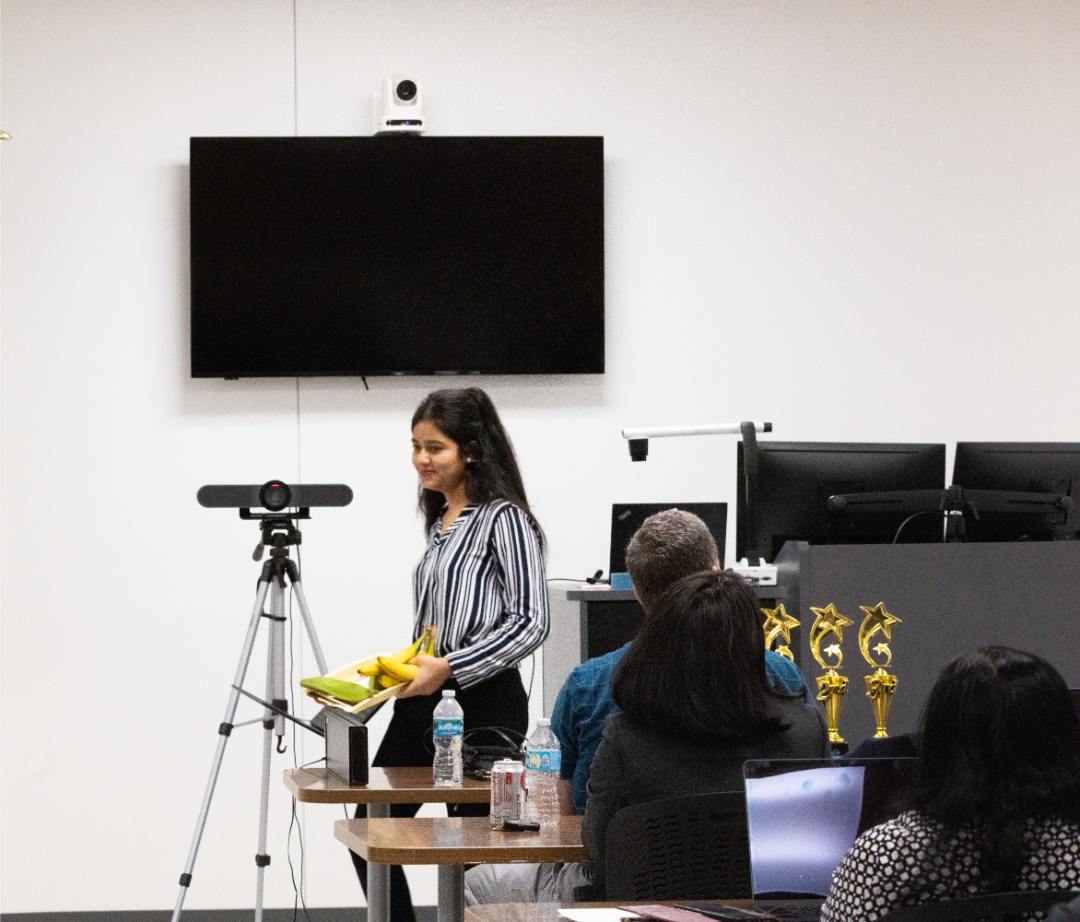
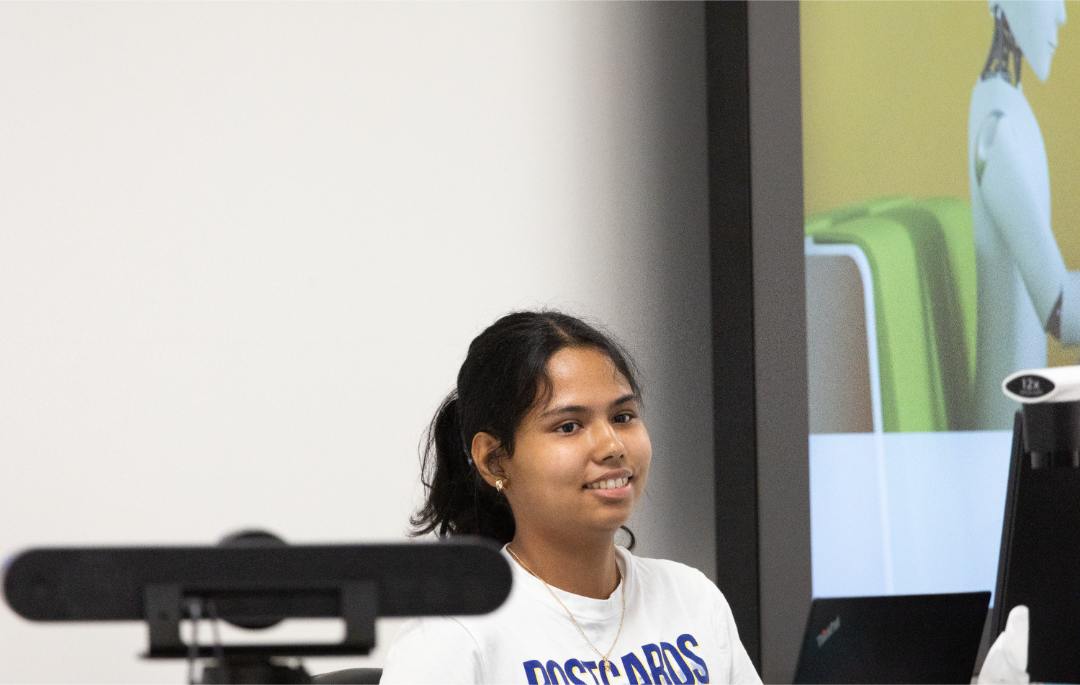
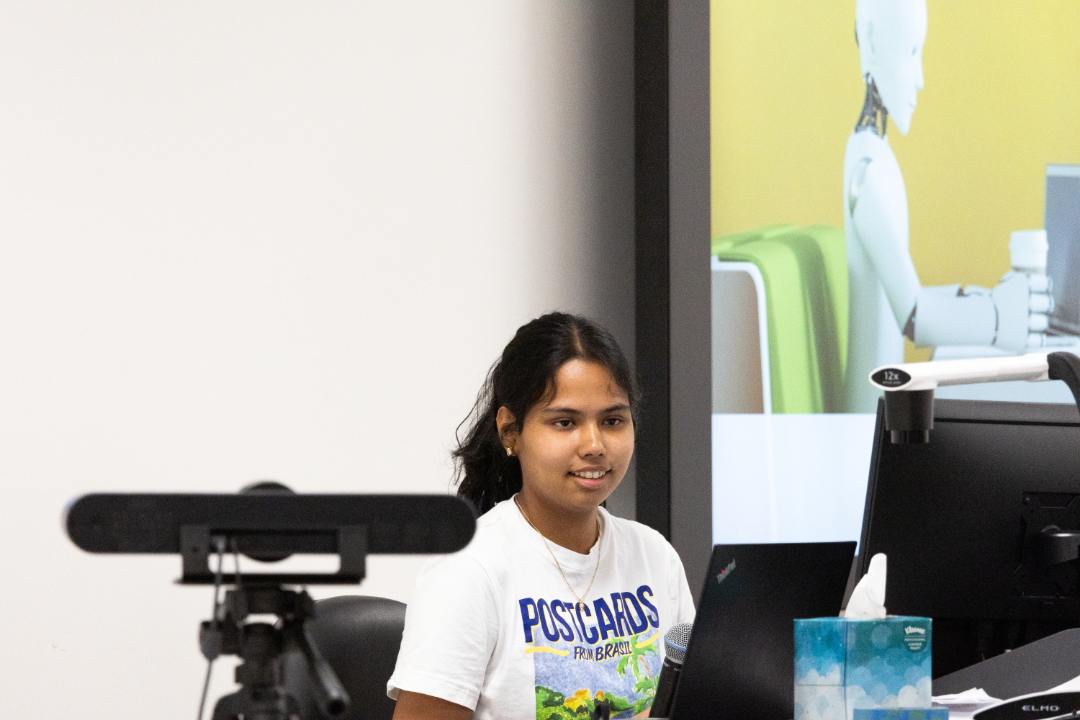
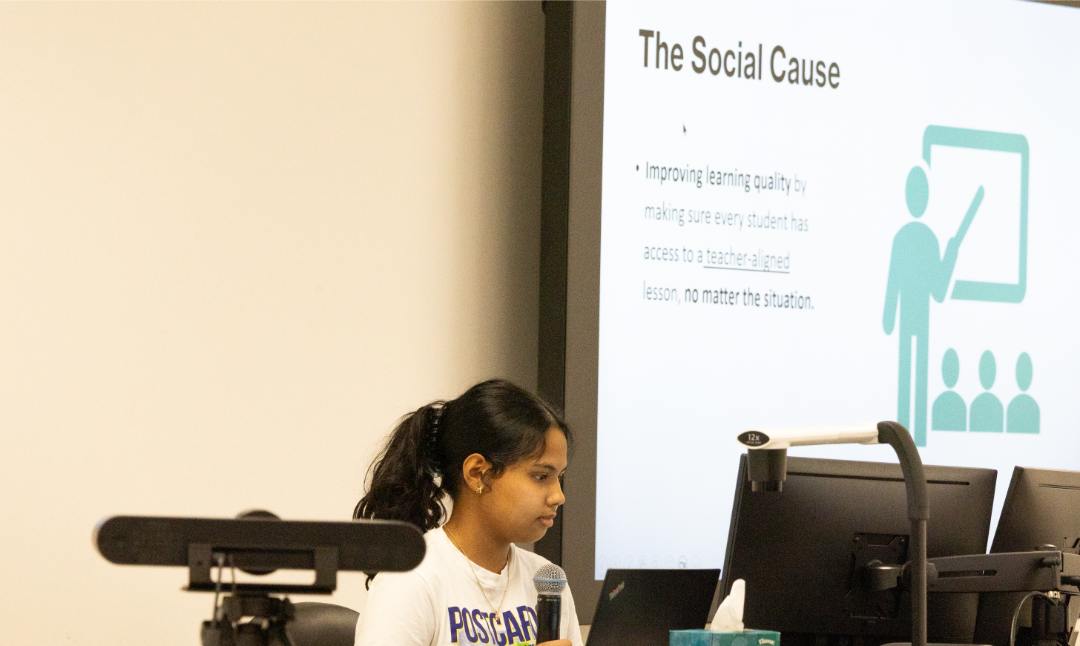
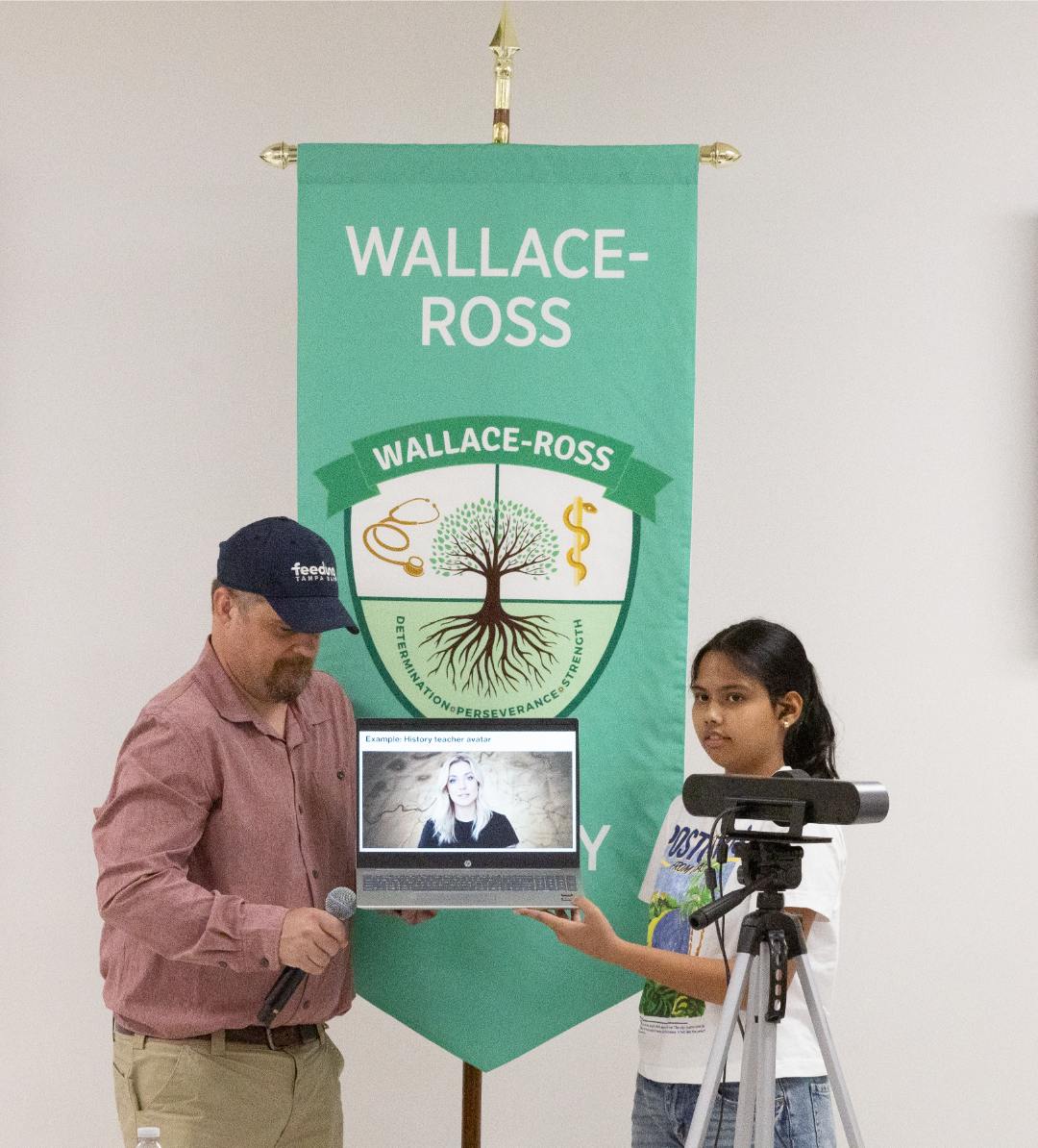
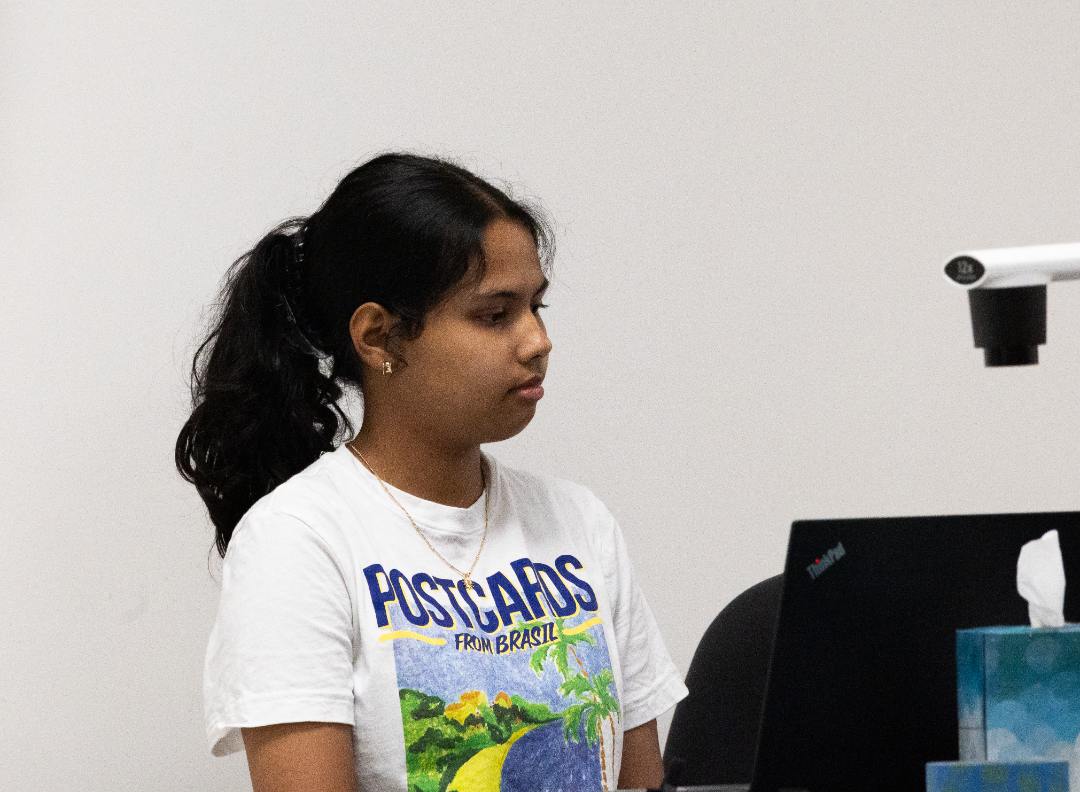
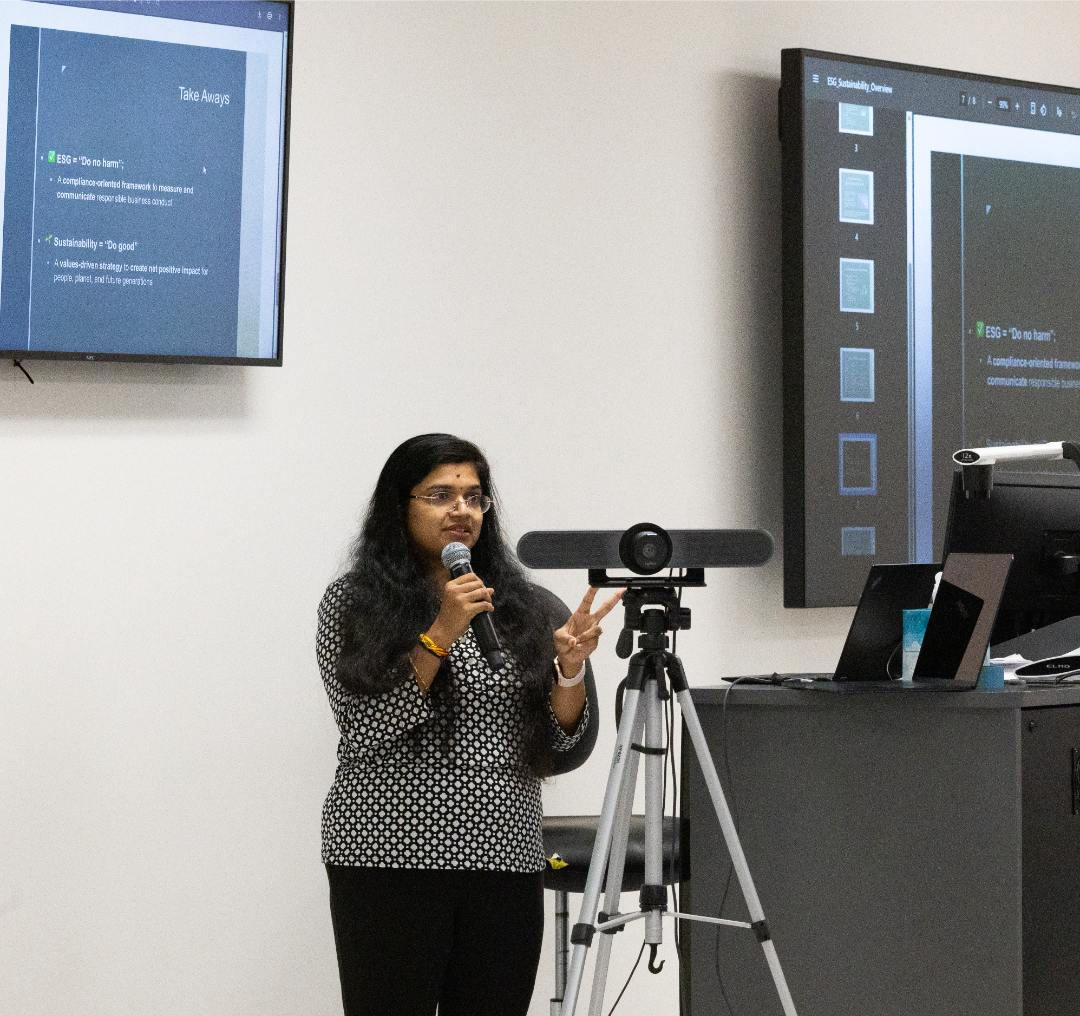
There were no science fair tri-folds. No poster boards with construction paper borders. When the eighth graders from Plato Academy Clearwater’s Digital Information Technology program stepped up to present their capstone projects last week, they came armed with redesigned, functional websites for real businesses, a rehearsed pitch, and confidence for the quality of their work.
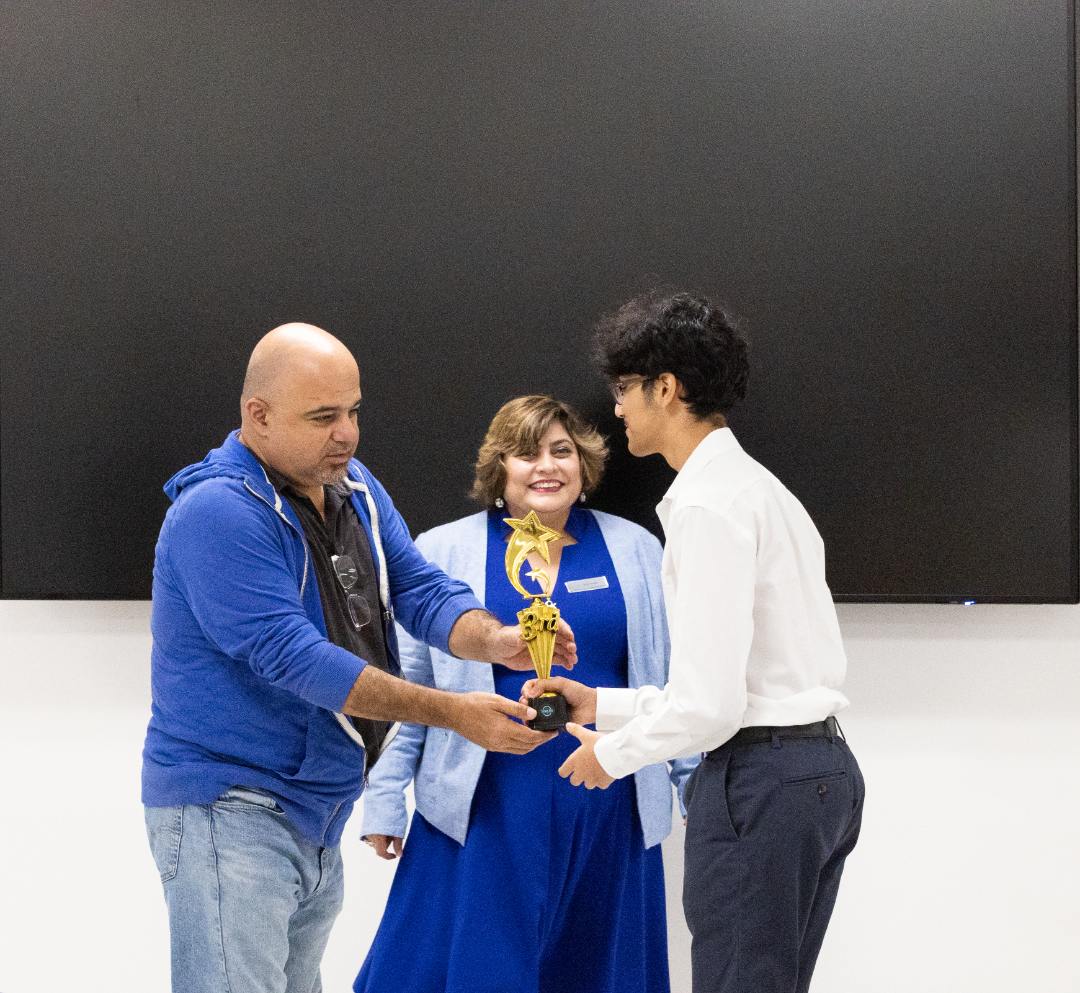
The format was unmistakably Shark Tank. Students faced a panel of judges, fielded questions, and defended their creative and technical decisions in real time. What set this event apart from a typical school presentation, though, was what was actually at stake: the businesses were real, the websites are live, and the work the students produced could genuinely be put to use.
A Project Built Around Real Stakes
The capstone grew out of a year-long DIT curriculum that this year included a significant outside partnership. Chad Hage, a volunteer from Microsoft, worked directly with the eighth-grade students, helping them build skills that go well beyond any single class period. The focus areas were deliberate:
- teamwork,
2. ethical artificial intelligence strategies, and
3. the ability to communicate ideas clearly and persuasively in front of an audience.
Students were divided into teams and each team aligned with one of two businesses, both connected to members of the Plato Academy community. The first was Lollipop Lumberjack’s Candy Co., a small business with a distinct identity and real brand needs. The second was Legacy Tutoring, an educational services company whose online presence needed a sharper, more purposeful voice.
Each team was asked to study their assigned business, identify what the existing website was doing well and where it was falling short, then redesign and refine it according to what the business actually needed. The final deliverable was not a mock-up or a concept sketch. It was a finished product, presented live, defended in front of a room full of adults, and judged accordingly.
The Panel
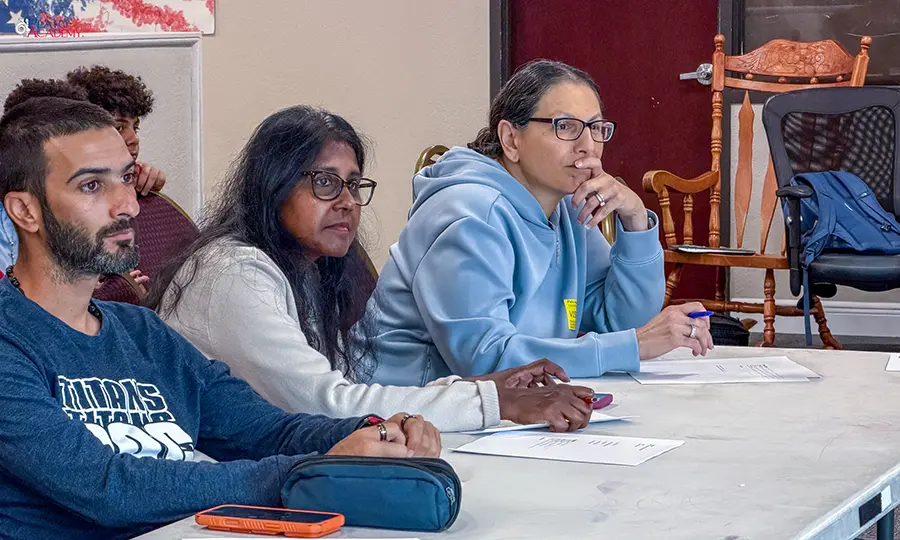
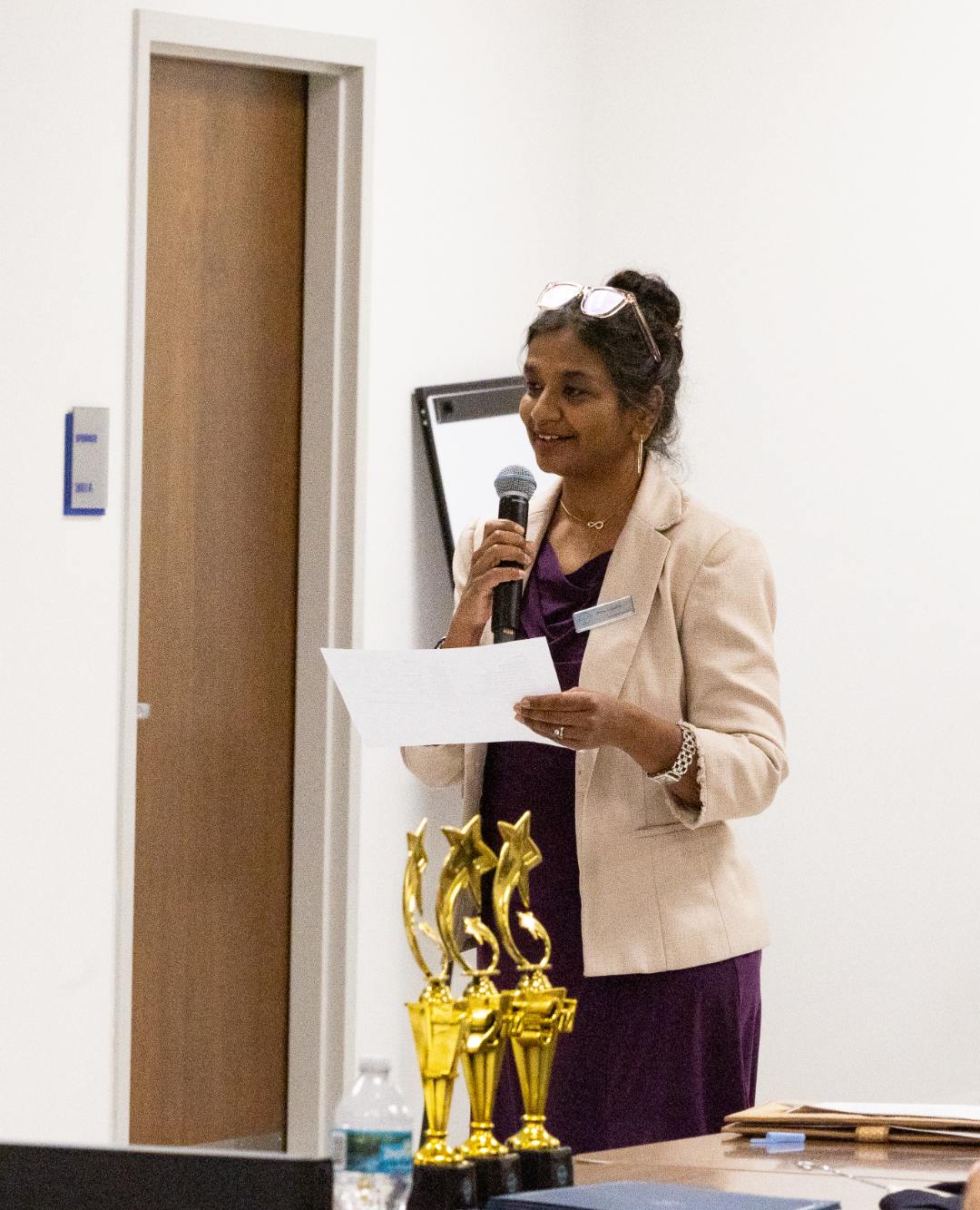
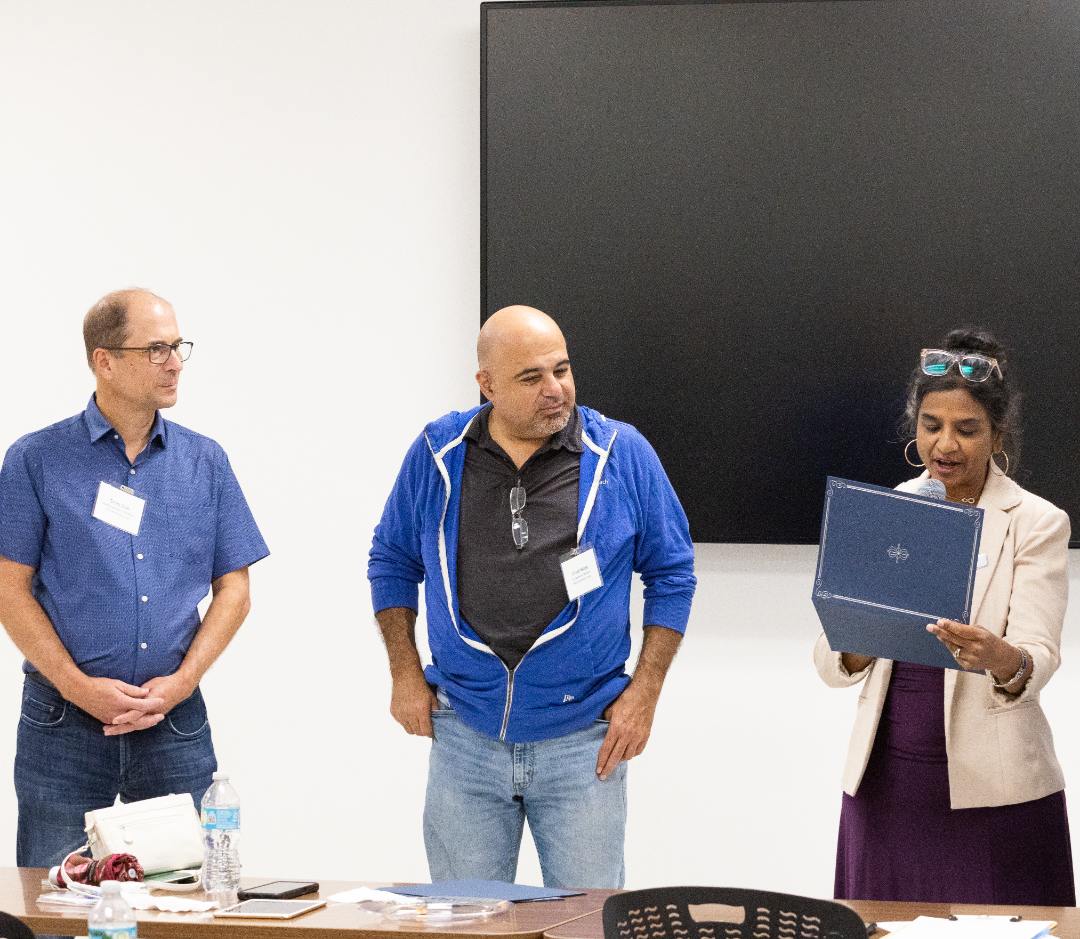
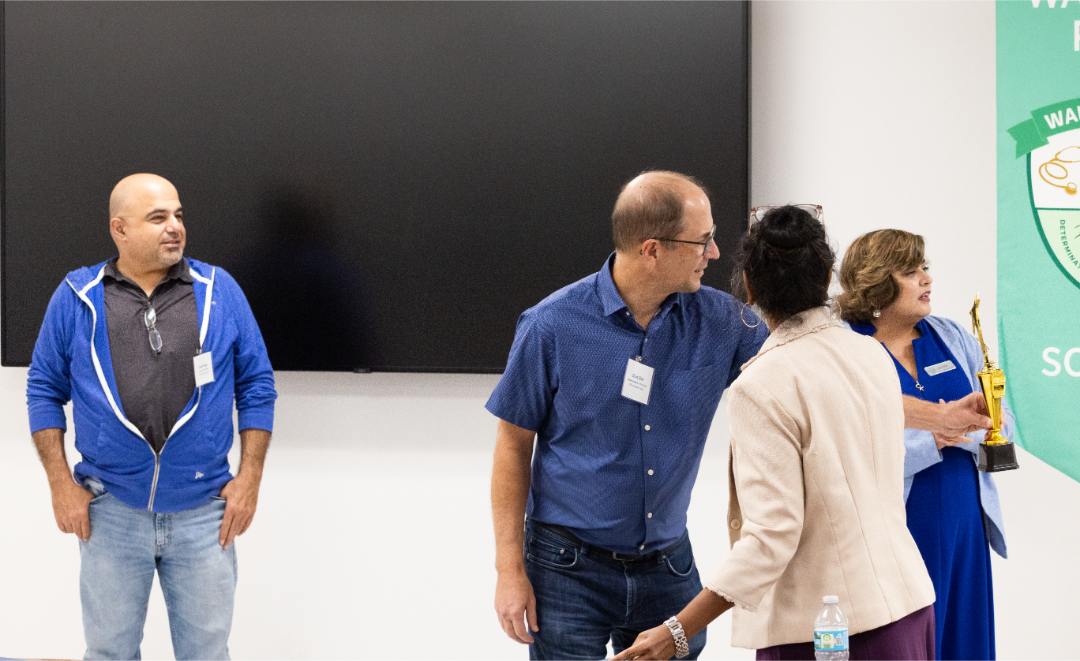
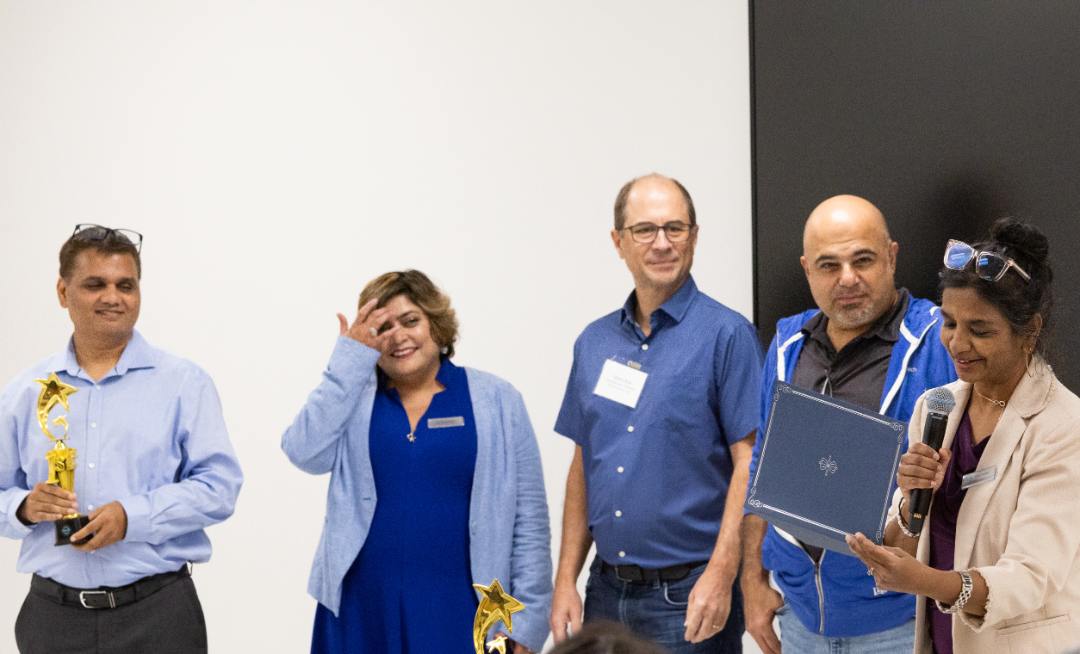
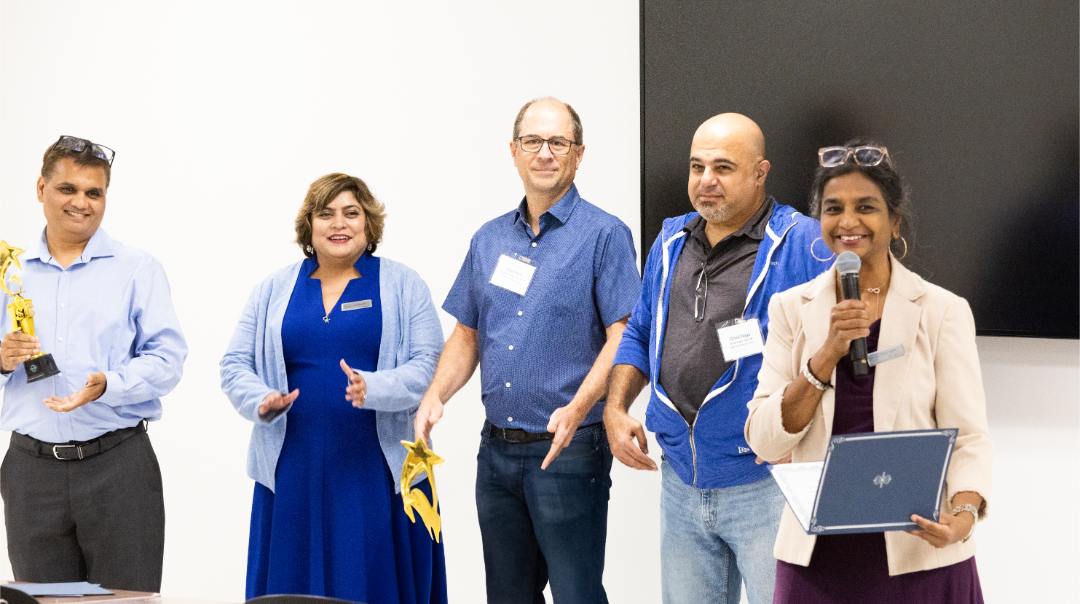
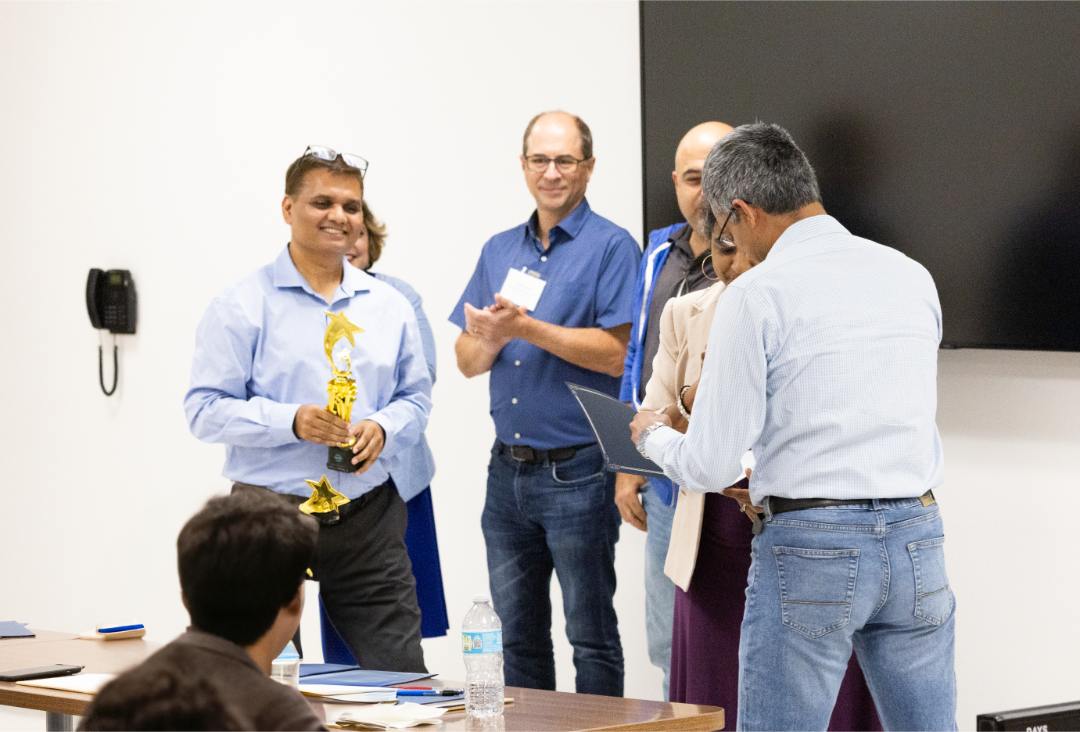
The judges brought genuine professional weight to the room. Dora Komninos, Deepa Rice, Director of Marketing for TBTLA and Rajni Sachan, President of TBTLA as well as Dimitrios Psoras, and Jill Keller each evaluated the student presentations, asking follow-up questions and assessing not only the quality of the websites but the clarity and confidence with which teams explained their choices.
For most students, this was their first experience being questioned by a panel of professionals about work they had personally created. The dynamic is fundamentally different from a classroom presentation to a teacher who already knows the subject. A panel of judges does not owe you a good grade for effort. That pressure, when handled well, produces something real.
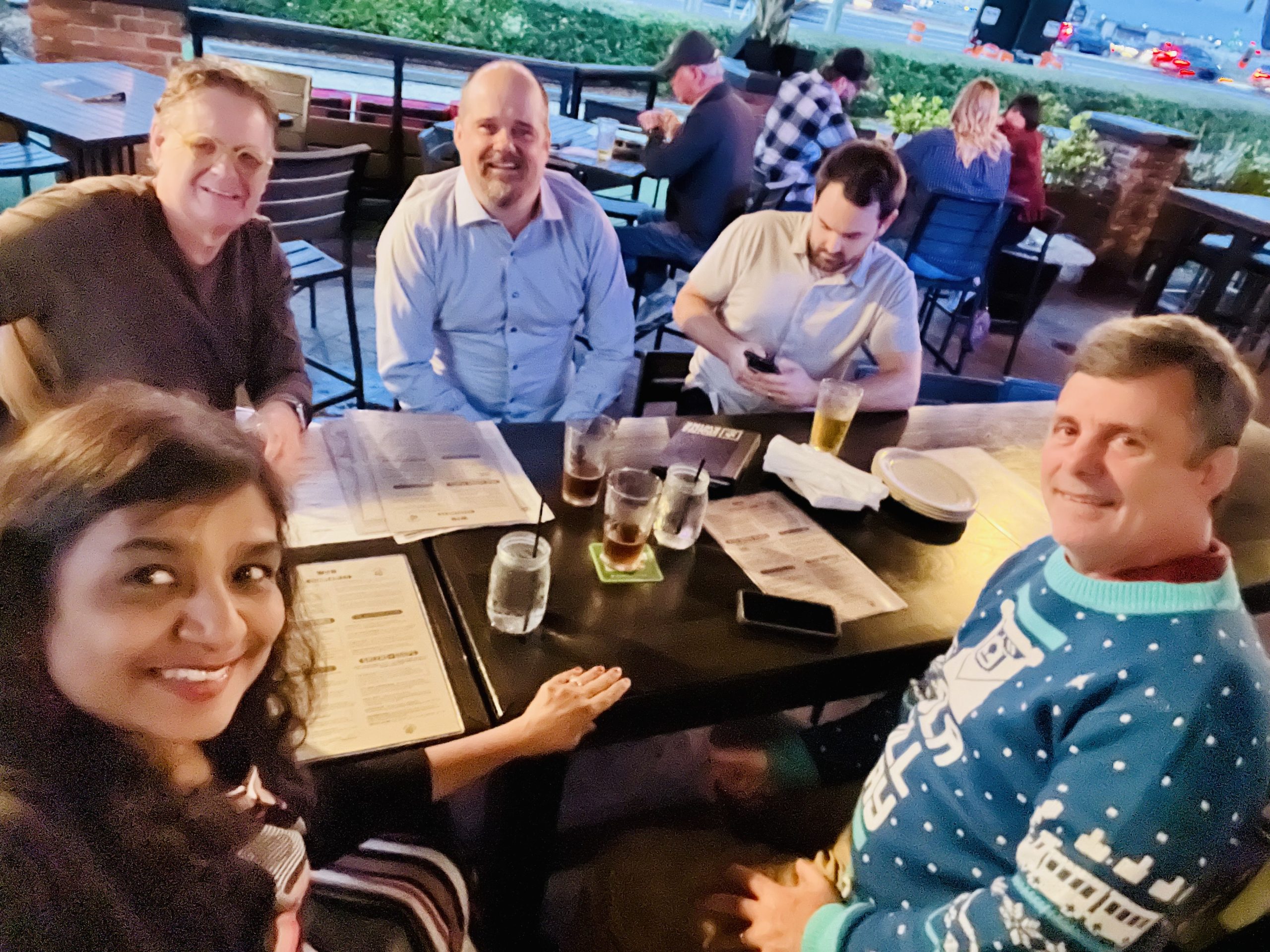
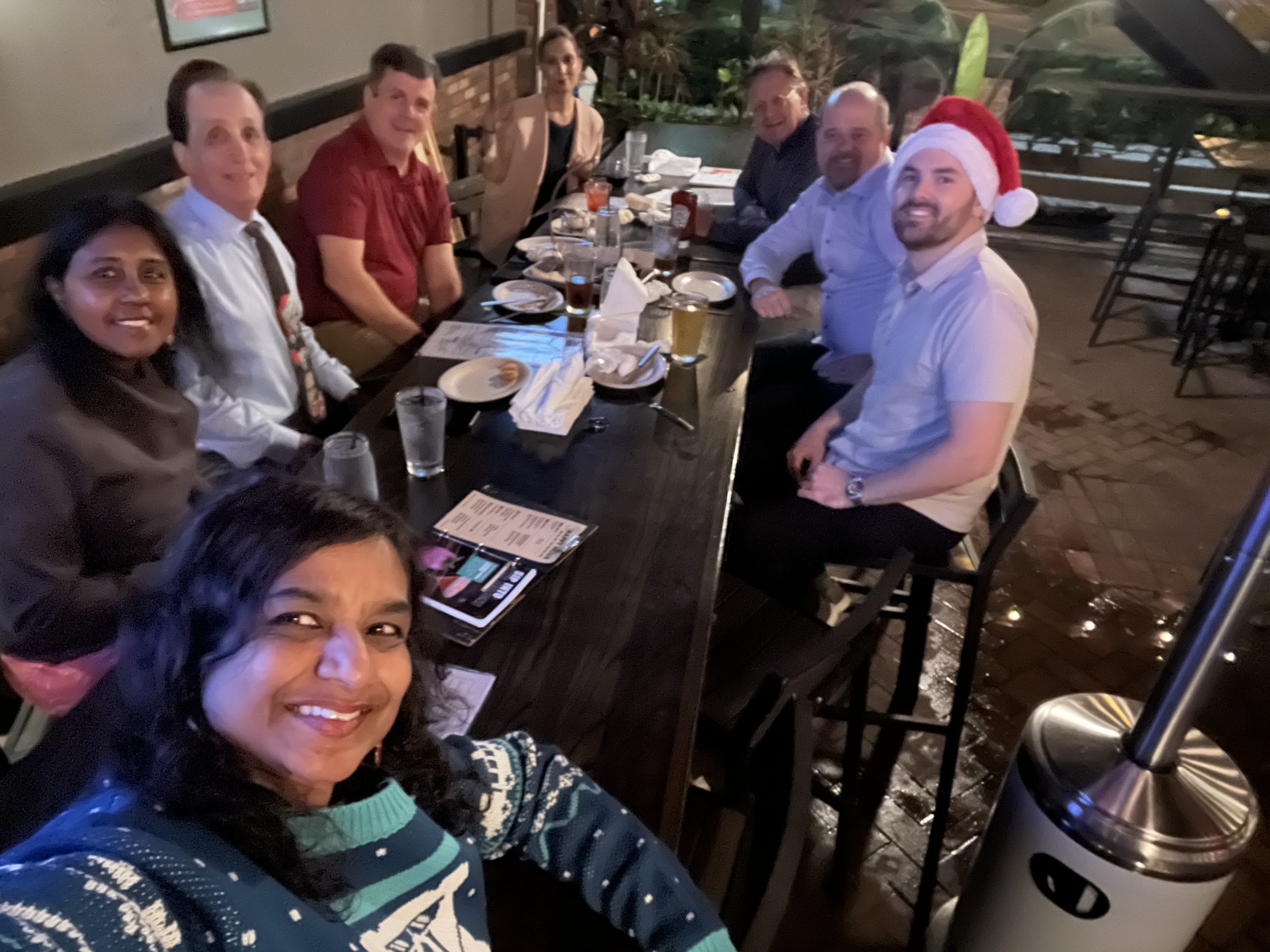
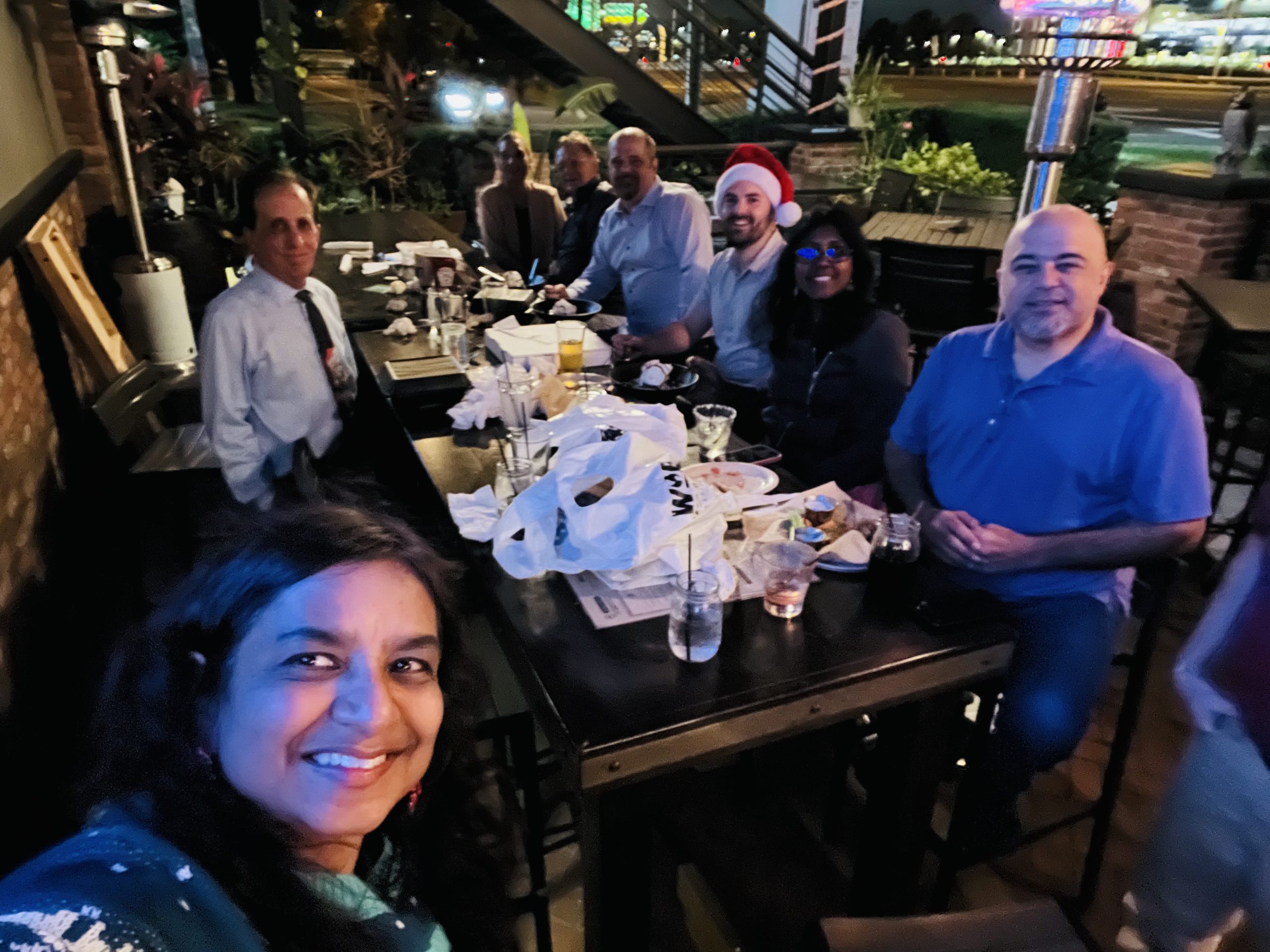
TBTLA BOARD HOLIDAY PARTY


TBTLA HACKATHON





 TBTLA Happy Hour


